Data-Driven Product Management: E.H. Carr and the Interpretation Problem
Richard Faint on E.H. Carr and the myth of data-driven product management, and why data needs context, judgement, and interpretation to guide decisions.
6 min read →Article
Two failure modes that stakeholder management usually treats as one: people who do not share your objective, and people who share it but are quietly optimising for something else.
By Richard Faint · 21 June 2026 · 4 min read
Last updated
On screen
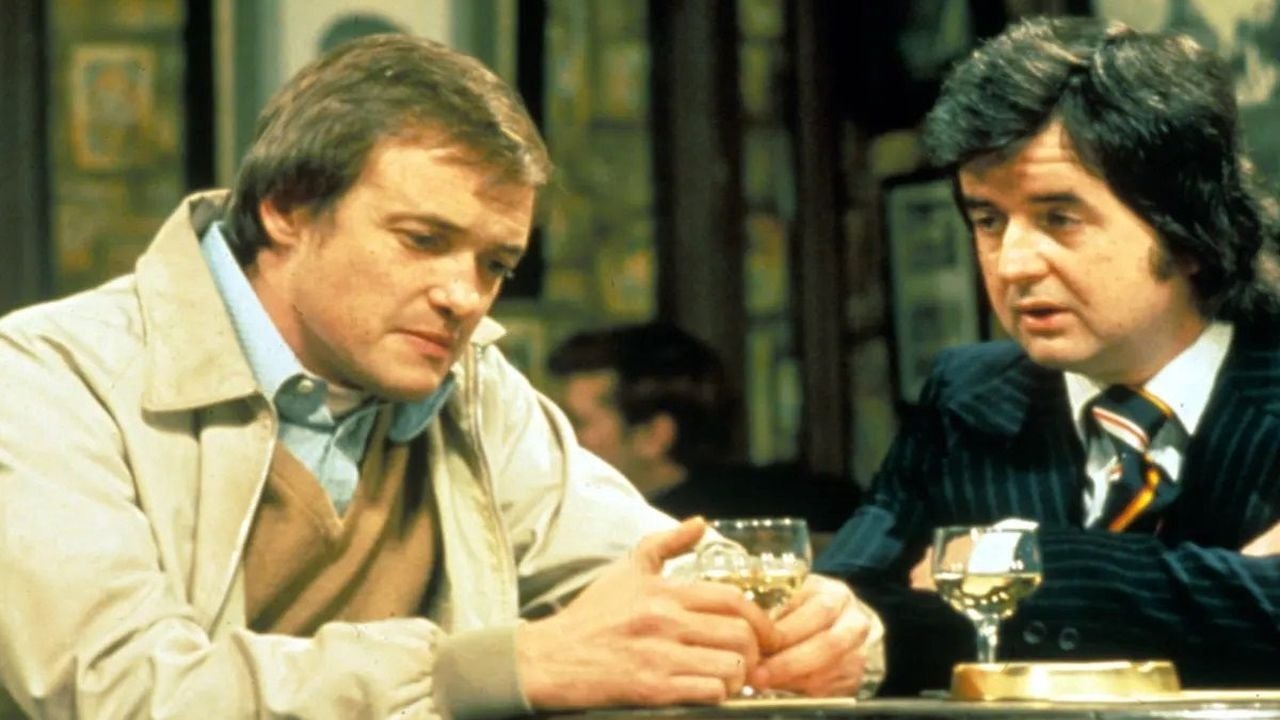
Stakeholder conflict has at least two different causes: people may want different outcomes, or they may share the stated goal while quietly optimising for something else. Product managers need to identify which problem they are facing before trying to align everyone.
The title is a sitcom reference. The subject is stakeholder objectives, and the difference between people who do not share your goal and people who share it but are quietly optimising for something else.
Football is everywhere in Whatever Happened to the Likely Lads? However, football is part of the backdrop the writers use to explore friendship, class, nostalgia and the strange behaviour of other people.
The best example is No Hiding Place. England have played earlier in the day. Bob has somehow avoided the score and wants to watch Match of the Day as if the game were live. To do that, he must dodge newspapers, radios, conversations and supporters for an entire day.
At first glance, it’s just an old comedy. In reality, it’s a lesson about differing objectives.
Some of the humour is dated and could be used by historians exploring the social attitudes of the time but growing up in the North East, the humour feels familiar the winding‑up, the banter, the mocking of Middlesborough, the instinct to tease someone the moment you spot what they care about. Terry Collier would fit into almost every pub I remember.
That’s why Bob’s plan collapses. The moment he admits he doesn’t know the score, he creates a game.
His objective is simple reach the evening unspoiled. Almost nobody he meets shares that objective. The one‑legged newspaper seller wants to sell papers, so he bellows the headline score. The radio presenter wants to broadcast the news. Supporters want to talk about the match. Churchgoers want to discuss England’s performance. None of them are against Bob, except Flynn (Brian Glover) who is very much against Bob. They’re simply indifferent. He’s standing too close to transactions that have nothing to do with him.
Terry is different. Terry wants the same thing Bob wants — to avoid the score — yet he becomes the biggest threat. He dangles the possibility that he already knows, threatens to blurt it out, and manufactures tension purely because tormenting Bob is too much fun. His side‑incentive outweighs his stated goal.
These are two distinct failure modes, and most “stakeholder management” advice collapses them into one.
The first is misaligned objectives. Sales wants revenue. Operations wants fewer exceptions. Finance wants lower costs. Developers want technical quality. Compliance wants reduced risk. Nobody is wrong; they’re optimising for different things, just as the newsseller optimises for selling papers. Align the incentives and the indifference disappears.
The second is harder: competing side quest. Everyone claims to want the same outcome, but something unspoken outranks it. Two engineering teams want the migration to ship, but one keeps relitigating an old architecture decision because losing that argument still stings. A VP agrees the company must cut costs but slow‑walks a proposal that shrinks a rival’s headcount. Nobody is lying about their objective. They’re just discovering, like Terry, that another incentive wins in the moment.
A product manager’s job isn’t just aligning objectives. That solves the newsseller problem, not the Terry problem. The harder task is spotting when someone who shares your goal is still working against it because a side‑incentive is quietly in charge.
But the episode hides a third lesson.
Bob never distinguishes between the two failure modes. He treats every threat the same — avoiding pubs, newspapers, conversations, even church. And against the odds, he succeeds. He reaches the evening with his ignorance intact.
Then he discovers the match was postponed. There was no score. There never was one to protect.
That’s the modern part. The visible problem wasn’t the real problem. You can manage every stakeholder perfectly — outlast the indifferent ones, out‑manoeuvre the conflicted ones — and still discover the thing you were protecting no longer matters. Plenty of projects ship on time, fully aligned, into a market that moved on months ago or a requirement that quietly died.
Diagnose the mechanism before choosing the intervention.
The same outward behaviour can have different causes.
The news seller wants to sell papers; Bob wants to avoid the score. Make the competing outcomes and trade-offs explicit.
Terry shares Bob’s goal, but teasing Bob wins in the moment. Surface the incentive that overrides the stated goal.
The match was postponed. Check that the outcome still exists and is worth protecting.
Negotiating goals, addressing incentives and abandoning an obsolete goal are different actions.
Alignment alone cannot fix every failure. Someone may share the goal and still act against it, or the whole group may be pursuing an outcome that no longer matters.
Football may be the backdrop. But the real game ended hours ago. The hardest part of product management isn’t always managing people. Sometimes it’s noticing, before you spend the whole day on it, that the thing you’re protecting has already stopped existing.
Try it interactively. Open the stakeholder objectives simulation on its own page → — full-width, with a walkthrough of what each control does.