
A short history of Chartered Institute of Logistics and Transport
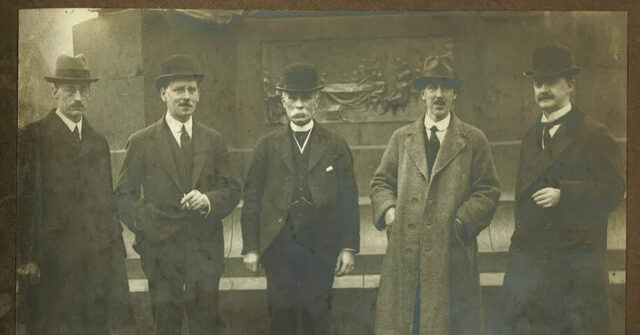
The Institute was founded at London’s Savoy Hotel on 3 November 1919 after railwayman Henry Herman Gordon called for a professional body devoted to transport. It grew into an international organisation for logistics, supply-chain and transport professionals and today operates across more than 40 countries.
Read the institution’s historyI am a Fellow of the Chartered Institute of Logistics and Transport, using the professional designation FCILT. It sits alongside my academic qualifications as recognition of my experience in the sector where I have spent much of my career.
What is a Fellow?
Fellowship is a senior grade of membership of a professional institute. It recognises substantial professional experience and responsibility within a field. It is a professional designation, separate from an academic degree.
Within CILT(UK), the grade is called Chartered Fellow, abbreviated to FCILT. CILT describes this grade as recognising senior leadership in logistics, transport and supply chain, including experience operating at or near board level. Its published professional experience route specifies at least seven years of experience at a high level of management responsibility within the profession. These are the Institute’s general membership criteria; the designation does not describe a particular current job title. See CILT(UK)‘s routes to membership and membership grades.
How it relates to my work

My background spans logistics operations, commercial management, implementation and product direction. That experience helps me connect the design of transport software with the practical decisions that businesses need to make: how work is planned, resources are allocated, costs are understood and customer commitments are met.
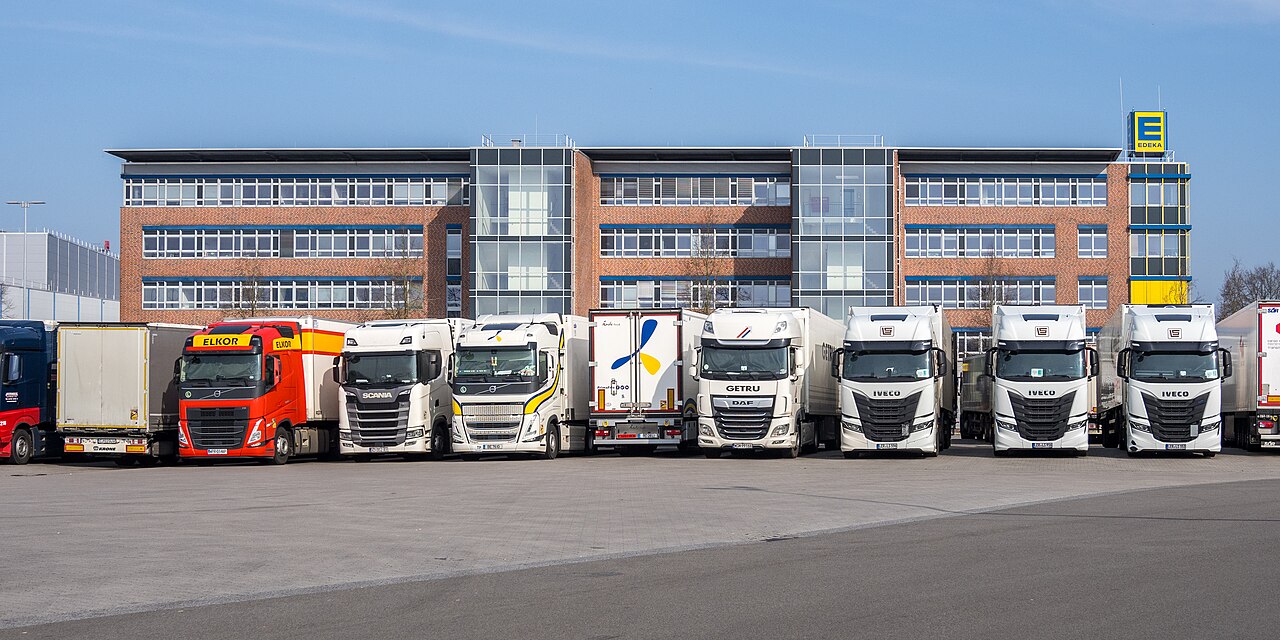
In my current role as a Product Manager, my portfolio covers transport management and optimisation. Domain knowledge matters because these products operate within a network of constraints, dependencies and exceptions. A change to planning, order data or an integration can affect operational teams, customers and financial processes elsewhere in the business.
Fellowship provides professional context for that experience. My academic studies add complementary perspectives: the MBA on business and management, the MSc in Computer Science on technical systems, and History on interpreting evidence and understanding change.
For more about how I bring those perspectives together, read my executive profile or explore my enterprise product work.